

Co-Owner · June 9, 2022
Planning a septic system for a Northwest Arkansas lot? Here is how septic installation works.
If you're putting in or replacing a septic system, a licensed Designated Representative handles the design and the permit. A system that's designed or put in wrong can cause health problems, pollution, property damage, an expensive replacement, and legal trouble. We install to the approved design and answer questions about installation and maintenance.
How a septic system works
The industry calls a septic system an onsite wastewater system. “Septic system” is what most folks say, but not every system is septic (some are aerobic), so the official term is onsite wastewater. Onsite means the wastewater gets treated right there on the property instead of being piped off to a big treatment plant. About 40% of Arkansans are on onsite wastewater systems. Nationally, it's about 25% of people. Since the wastewater from a home, restaurant, or office gets treated just a few feet from the building, the system has to be designed and put in right.
Whether you live in Bella Vista, Cave Springs, or Centerton, you need a licensed Designated Representative to design the system and a licensed installer to put it in and take care of it.
Taking care of your system is the best way to keep it working as long as possible. Let it go and you could end up replacing the whole thing.
Once the system is approved, BBB Septic installs it and stays on for pumping, inspections, and repairs.
Hire a licensed septic system designer
The first step in getting a “septic system” is to hire an Arkansas licensed Septic System Designer in Benton and Washington Counties, or the surrounding area. Your local health department can provide you with a list for your area. The Septic System Designer will meet you at your property and discuss your building plans. Or, if your current septic system is having problems, they will work with you to design a repair solution. The designer will bring an excavator or backhoe to dig soil test pits. These test pits will be about 4 ft deep, 3 ft wide and 6 ft long. The designer will climb down into the pit and evaluate the soil. In evaluating the soil, the designer looks for signs of water saturation, clay percentage, depth to bedrock, compaction, and more. These observations and the number of bedrooms in a home (depends on the project), will determine the type and size of onsite wastewater system that will be needed. In some cases, the soil test reveals that the soil will not support any type of wastewater system and the land may be unbuildable.
A licensed Designated Representative in Bentonville can make sure you choose the right size and type of wastewater system for your home. Need help finding one? Call the office and we can share a list of licensed Designated Representatives in our area.
Field Design
The second step is the field design. The designer will bring equipment to the site to take specific measurements and mark the locations of the house, septic tank, distribution device and absorption lines. There must be a certain amount of elevation change between the house and the tank, the tank and the distribution device and the distribution device and the absorption lines. The absorption lines must be no more than 100 feet long each and must follow the contour of the land. There are many rules and regulations overseeing the design of a septic system. For example, no part of a septic system can be within 100 feet of a drinking water well (to prevent groundwater contamination). A licensed Designated Representative does that field design.
Permit Application Packet
The third step is putting together the permit application. It includes the required forms with the owner's information, the location, the system type, and the soil test results. It also needs elevation measurements for the different parts, product spec sheets, and a detailed drawing of the system. The packet then goes to the Arkansas Department of Health, along with a review fee.
The Arkansas Department of Health has an office for each of the 75 counties in Arkansas. The Designated Representative submits the application to the county office for the property.
Application Evaluation
The fourth step is for the health department to evaluate the application. This involves the inspector making a site visit to make sure the inspector and the designer agree on the soil test. The inspector will double check all the field markings of the components to see if the layout meets code. They will evaluate the paper application and then issue a Permit for Construction for an Onsite Wastewater System. This permit is valid for installation for up to 1 year.
Hire the right Arkansas licensed installer
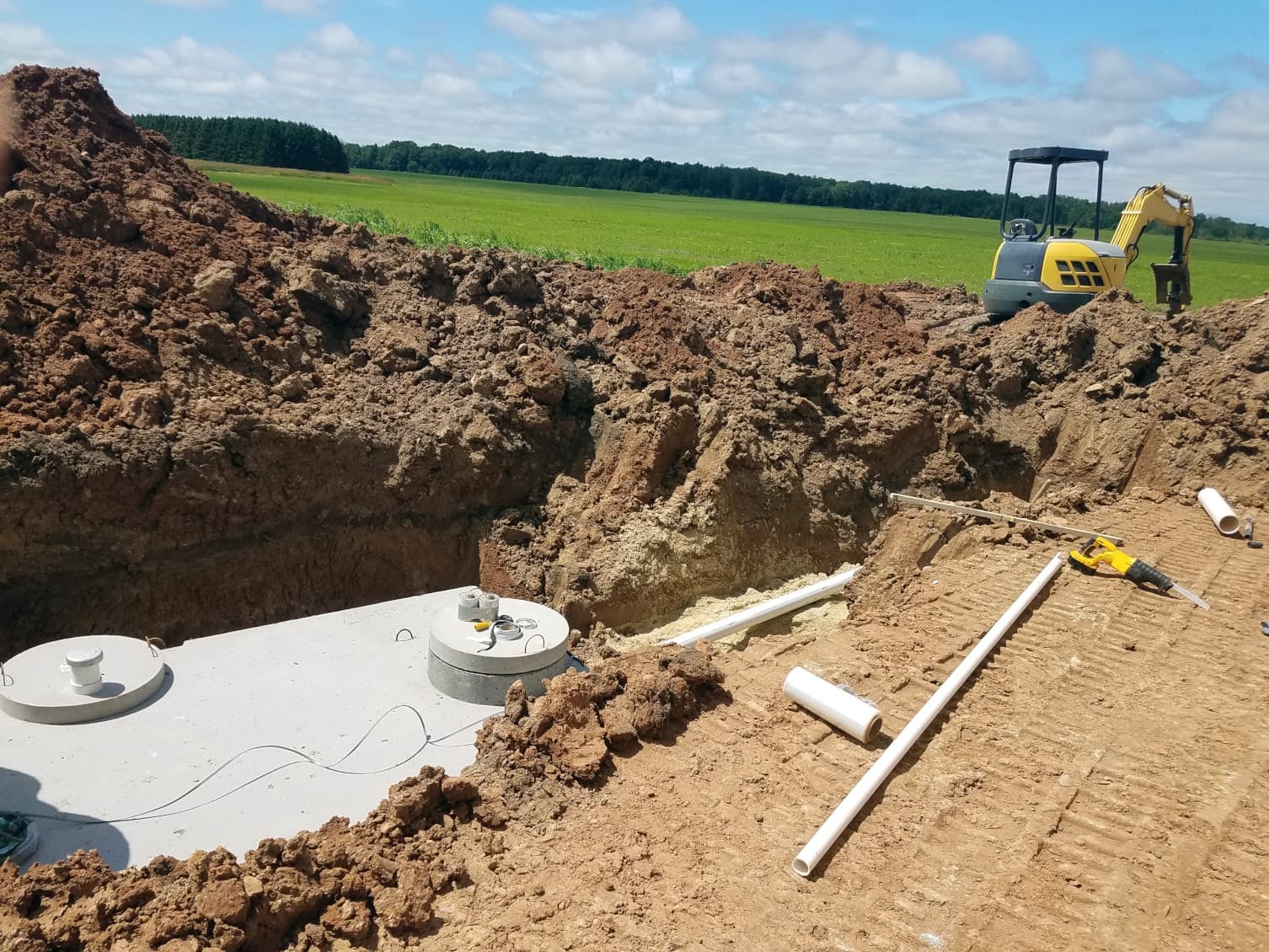
The fifth step is to hire an Arkansas licensed Septic System Installer. The Installer will install the system according to the design and using proper installation techniques, such as not digging in the soil when it is too wet or using gravel to make a level bed for the septic tank. The Installer makes careful measurements throughout the installation process to make sure the system is installed correctly. Some systems may be installed in a day, some may take a week or more depending on their complexity. The health department will inspect the system’s construction. The inspector inspects the construction of the system and issues the Permit for Operation. The Installer will educate the owner about their system and instruct them on any necessary maintenance.
Why maintenance matters
Once the system is running, it's up to the owner to keep up with maintenance. What it needs depends on the type of system. But every septic tank has to be cleaned out (pumped) regularly. How often depends on a few things, but every 5 years is a good rule of thumb. It is a myth that you should only pump out your septic tank when you have a problem. By the time you have a problem, the system may already be past fixing, and you're looking at an expensive replacement. A septic tank’s purpose is to catch solids that flow out of the building. So every time a toilet is flushed or the dishwasher finishes a cycle, all of that waste goes into the septic tank. Things that float will go to the top forming the Scum layer. Things that sink will go to the bottom forming the sludge layer. That leaves a more clear layer in the middle. This clear layer flows out of the septic tank and into the absorption field for treatment. Those captured solids don’t entirely break down and build up in the tank. So the scum layer and sludge layer get thicker and thicker over time. If the tank isn’t cleaned out every so often, then those solids can be forced out of the tank and will clog the absorption field. If this happens, then the wastewater will no longer be able to absorb into the soil and will pool on the surface of the ground. This is a health and environmental hazard that will need to be fixed quickly. Unfortunately, it may require a new permit and a new septic system installation. Hiring an Arkansas-licensed septic tank cleaner to pump out your septic tank is similar to changing the oil in your car. It keeps everything working smoothly and is important to protecting a major investment in your property.
The health department inspects the work, but they only see the finished system, not how it got built. That's why it's so important to hire licensed people with real experience for every part of the job. A licensed Designated Representative handles the design and the permit. BBB Septic installs to that approved design.
How our septic crew works
We want Arkansans to know how septic design, installation, and maintenance should go, and how to take care of their own system and the land around it.
We work hard for our customers. We'll figure out what's wrong with your septic tank, whatever it is, and do what it takes to fix it. Plain and simple.