
Yes. A septic inspection can help identify potential issues with the system before purchasing a property and may help avoid costly repairs after closing.
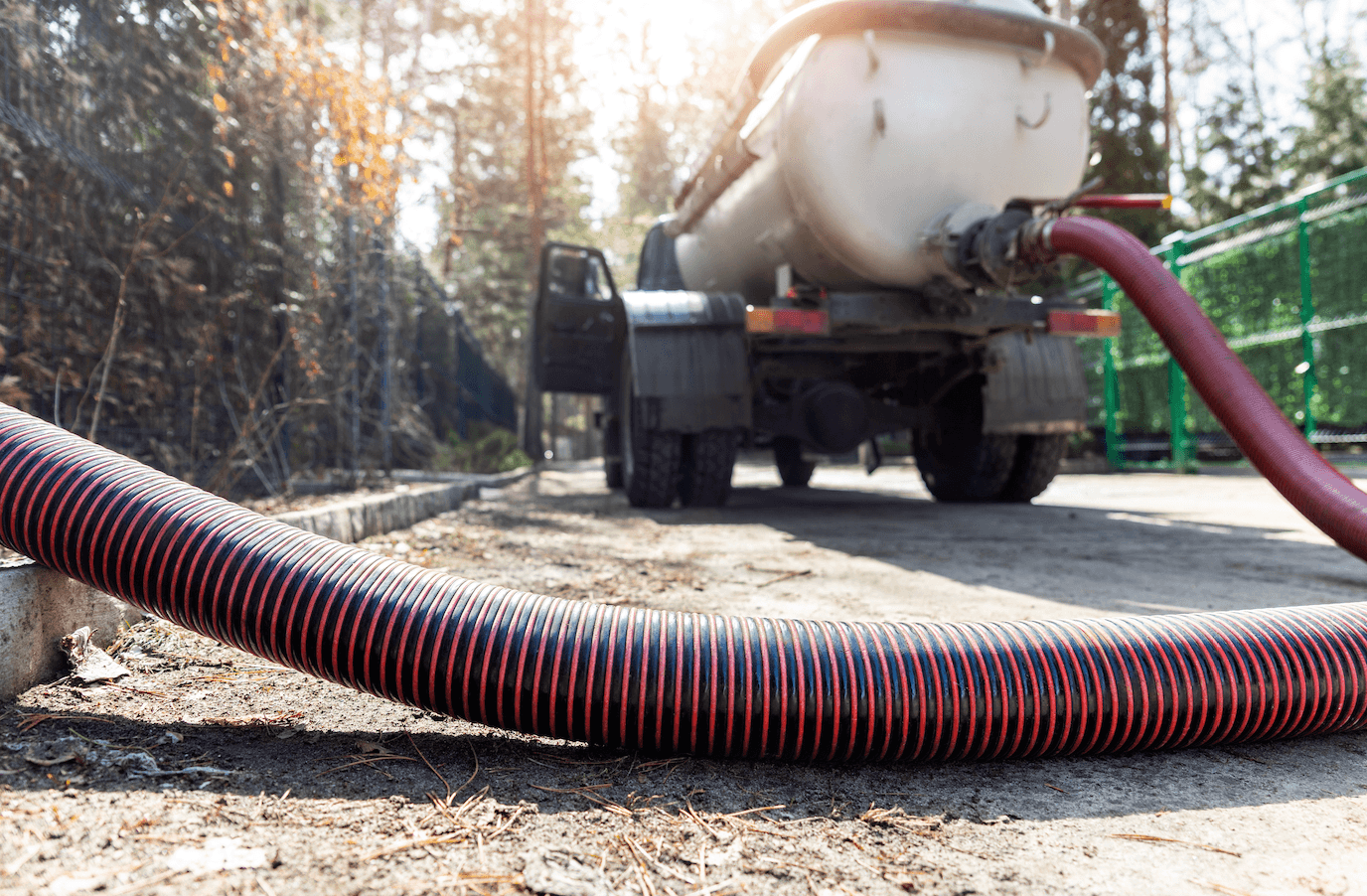
A peace of mind inspection is included with a pump-out and consists of a visual evaluation of the system's condition. A formal inspection includes a pass/fail report and is typically used for real estate transactions. The formal inspection reviews the same visible components as the peace of mind inspection, including the septic tank, baffles, and visible signs of issues in the lateral field. All visible components of the septic system are inspected.
Most septic tanks should be pumped every 3-5 years depending on household size, water usage, and tank size.
Buyers should ask when the tank was last pumped, whether there have been any repairs or backups, how often the diversion valve is turned (if applicable), and whether any septic records or permits are available.
Septic systems are designed based on the number of bedrooms in the home. Adding bedrooms without upgrading the septic system can overload the system and potentially cause failure.
Possibly, but any increase in bedroom count may require approval from the Arkansas Department of Health and could require a septic system upgrade or replacement depending on the existing system size and lot conditions.
In some cases, yes. However, upgrades depend on available property space, soil conditions, current system condition, and Arkansas Department of Health requirements. Not all properties will qualify for a larger replacement system.
Common warning signs include slow drains, sewage odors, wet or soggy spots in the yard, sewage backup, unusually green grass over field lines, or septic alarms sounding.
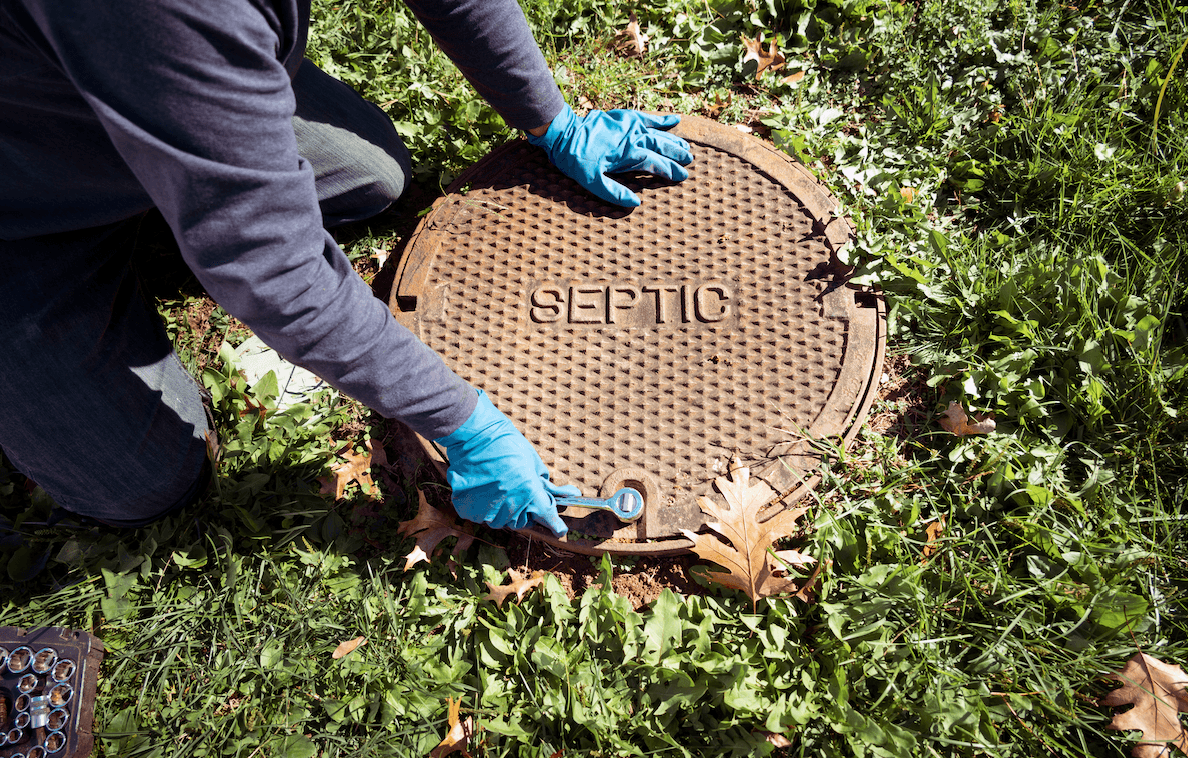
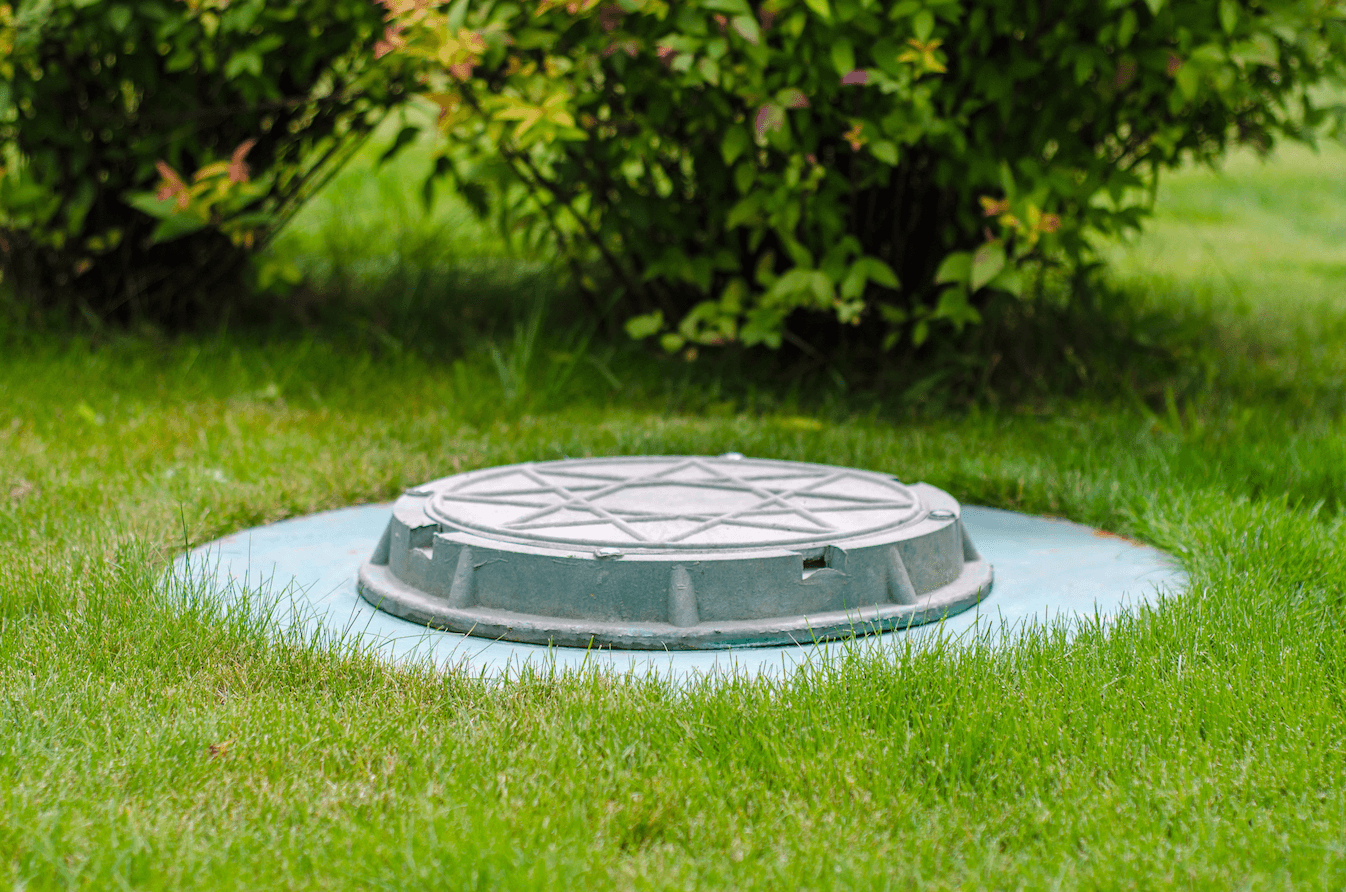
Yes. Accessible tank lids make inspections and pumping easier and more affordable. If the tank location is unknown, locating services may be required at additional cost.