

Co-Owner · August 31, 2026
Buying a house is always exciting. It’s nice to find a neighborhood you like, a kitchen that fits your needs, and enough rooms to include everyone.
You look at the backyard and immediately start mentally planning the patio you’ll build when tax season rolls around.
But with everything that is fun… In comes bureaucracy: It’s good and protects buyers, but there’s no denying it’s tedious. There are inspections, negotiations, financing, appraisals, insurance, and 90 other things to consider before you finally get the keys.
Not to add onto the list, but If the home uses a septic system: there is one more thing worth investigating before you sign your name.
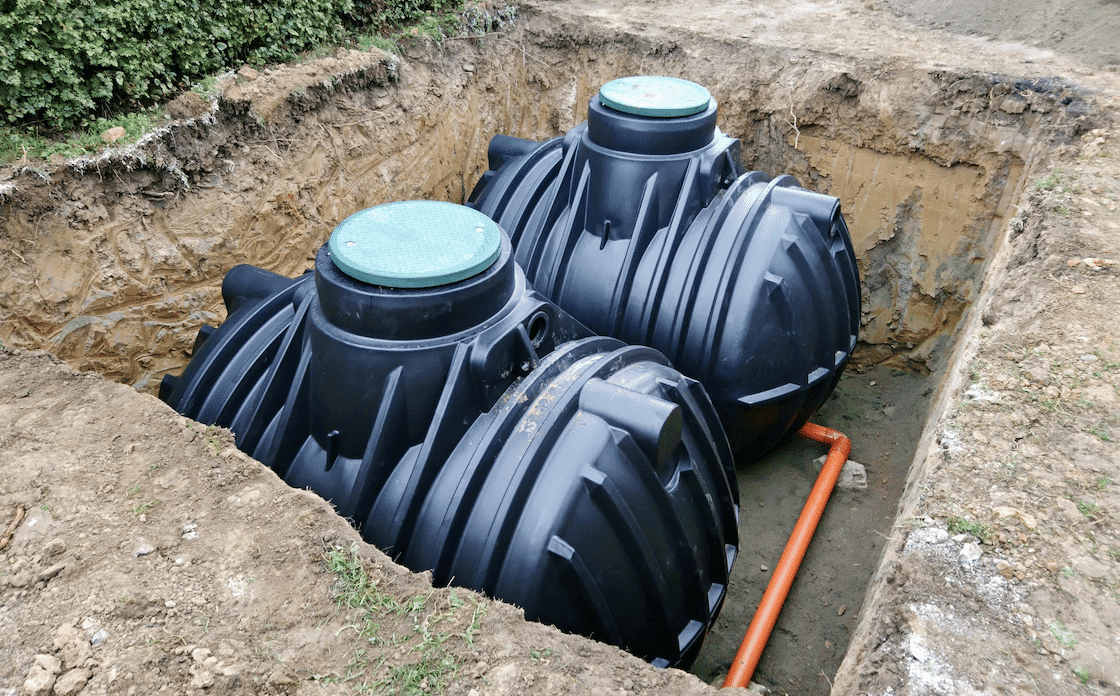
What’s Happening Underneath Your Future Yard?
When it comes to a list of the glamorous parts of the home buying process: The septic system probably sits somewhere between the logistics of garbage collection and reading the mortgage paperwork.
Despite that, it’s not something you want to discover for the first time after closing.
That’s why we at BBB Septic provide a peace-of-mind inspection with a pump-out, which includes a visual evaluation of the septic tank, baffles, and visible signs of potential problems in the lateral field.
We don’t expect you to understand the intricate nature of a septic tank, but we do hope you consider knowing what’s going on underneath your future yard before you buy.
Ask The Seller Some Uncomfortable Questions:
Buying a house already comes with plenty of questions: How old is the roof? How new is the HVAC system? What’s the history of the wiring?
But with a septic system it’s important to come equipped with several ‘uncomfortable’ questions for the seller to ensure that you’re getting a good deal, such as:
- When was the tank last pumped?
- Has the system ever backed up?
- If the property has a diversion valve, how often is it turned?
- Are there septic records available?
- Have there been any repairs?
These questions can give you a much better idea of the system’s history and what kind of maintenance it may need in the future. Nobody wants to be the person who buys their dream home on Monday and discovers the system has a complicated history on Wednesday.
The Number of Bedrooms Matters
Septic systems are designed based on the number of bedrooms in the home. It’s no secret, however, that DIY projects and home renovations have become especially popular in recent years.
So if you’re eyeing a spot for a fourth bedroom, just know that additions can come at more than a monetary cost!
Adding bedrooms without upgrading the system can overload it and potentially cause it to fail. Depending on the circumstances, expansions may need approval from the Arkansas Department of Health and could require a septic upgrade or replacement.
Whether an upgrade is needed depends on the existing system, available property space, and soil conditions.
Congratulations! You bought a Septic System (and a Home)!
If the inspection is good, the paperwork is signed, and the keys are in your hand, congratulations! You are now the proud owner of not only your very own home, but your very own septic system!
If taken care of, the septic system will last through the entirety of your home ownership, but having a septic system does come with regular maintenance. Most septic tanks should be pumped every 3 to 5 years.
That schedule isn’t necessarily the same for every household, which is why knowing the system’s history can be useful when you’re buying.
If you know when your tank was last pumped, you have a much better idea of when the next pump-out should be on your radar.
If the seller doesn’t know, that’s a pretty good reason to start asking those ‘uncomfortable’ questions we mentioned earlier.
Know the Signs Before Catastrophe
A septic system doesn’t always announce that something is wrong with a dramatic geyser from toilets and shower drains. Sometimes, it starts with less exciting events, like:
- A slow drain
- A strange sewage odor
- An unusually wet spot in the yard
- Suspiciously greener grass
- A septic alarm sounding
- Sewage backup
Those can all be warning signs that a septic system may need attention. But the important part is noticing them before a small problem turns into a much bigger one.
A Nightmare Doesn’t Have to Lurk Beneath Your Home
Buying a home means more than a large yard and windows on every outside wall. You’re also buying the systems that keep the house running.
If the property uses a septic system, take some time to understand it before you sign. Get it inspected, ask about its history, and know where your tank is located. Love-at-first-sight is real for homes, but a house is far more than just a beautiful facade.
Every home has a history. Make sure you get to know both sides before you sign.
Related reading